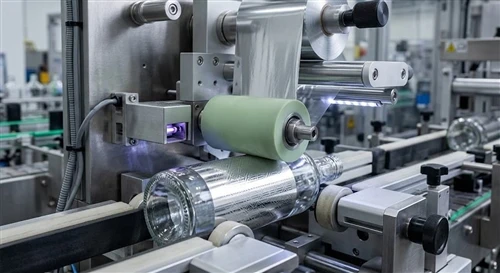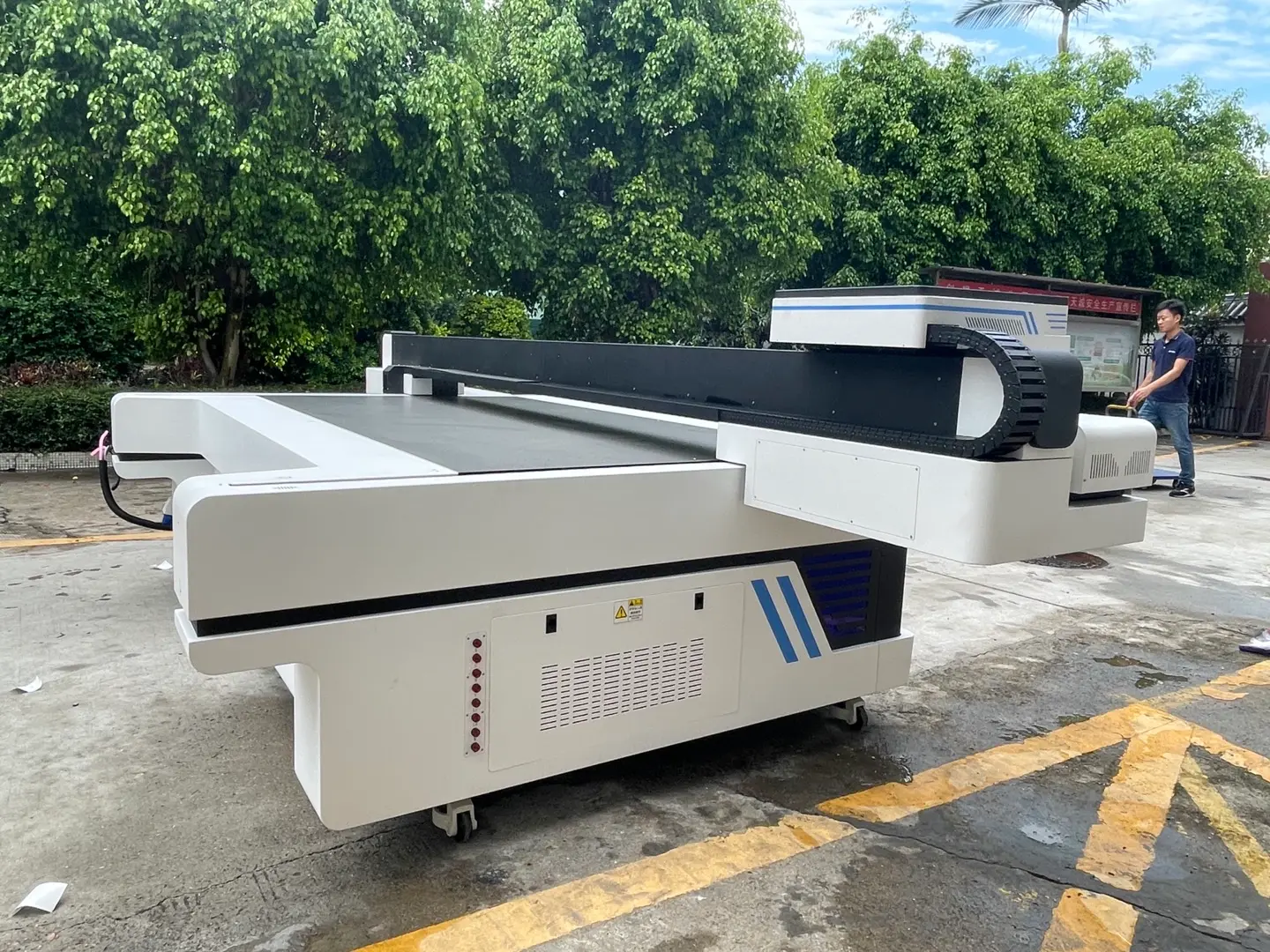


When foil applied to a uv printer machine product scratches easily or fails an adhesion test, the machine may not be the source of the problem. The UV foil varnish, the foil film, and the compatibility between them can all affect the finished surface.

Start with the symptoms
Poor foil performance can appear in several ways. A fingernail may leave a visible mark, the foil may lift during a tape test, or the surface may perform poorly in cross-cut and alcohol resistance tests. These results can point to weak adhesion, low scratch resistance, or both.
Check the UV foil varnish
One possible cause is poor adhesion of the foil varnish itself. If the varnish does not bond firmly to the printed surface, the foil layer above it may also fail.
This is a possible cause, not a universal diagnosis. The useful takeaway is simply to test the varnish instead of assuming that a machine adjustment will solve every adhesion problem.
Check the foil film
The foil film may also be responsible. Some films may not provide enough scratch resistance for the intended product. Even if the transfer process appears successful, a film with poor surface durability can still show fingernail marks or fail later handling tests.

Test the varnish and foil as a pair
The main point is that foil varnish and foil film should be evaluated together. A varnish may work well with one film and poorly with another. Choosing each material separately does not guarantee a reliable result.
A practical troubleshooting sequence
Identify the failure. Check for fingernail marks, weak adhesion, or poor results in cross-cut, alcohol, and tape tests.
Evaluate the foil varnish. Confirm that it provides adequate adhesion on the printed product.
Evaluate the foil film. Check whether the film has enough scratch resistance for the application.
Test material compatibility. Trial the varnish and foil film as a matched pair.
Repeat the relevant tests. Compare the results and keep testing combinations until the required performance is reached.
If the equipment manufacturer or material supplier cannot provide a direct solution, controlled testing becomes especially important. The problem may not come from a single setting or component, and changing only one machine parameter may not fix it.
Those details would be necessary for a complete production guide. The defensible conclusion is narrower: when foil on a UV-printed product has poor adhesion or scratches too easily, inspect the varnish, inspect the foil film, test their compatibility, and verify the result through repeated adhesion and resistance checks.